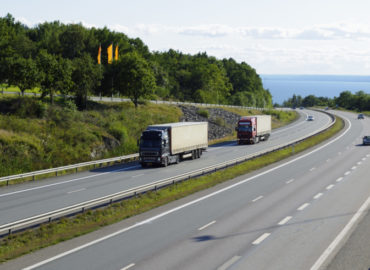


Sometimes when I ponder on how folks used to get around, it blows my mind to think about how far we have come and yet, some of those modes of transportation are not only still around but are also viable means of transport as well.
Some other modes of transportation that immediately come to mind include the following, but are not limited to:
- Horse and buggy! (only mode of transportation that is allowed on Mackinaw Island besides bicycles)
- Basket sled or a toboggan sled pulled by highly trained dogs made for this type of work or competition
- Boats, houseboats, sailboats, ships, yachts, and cruise ships
- Canoes and kayaks
- Bicycles, scooters and motorcycles
- Off-road vehicles (Quads/ATVs, dune buggies, dirt bikes, UTVs / side-by-sides, Jeeps, 4×4 vehicles, go-carts, snowmobiles, sand rails, amphibious ATVs, swamp buggies, golf cart, etc.)
- RV’s, motorhomes, motorcoaches, camper vans, overlanding vehicles, etc.
- Autos (cars, pickup trucks, SUVs, crossovers, vans, cargo vans, Jeeps, etc.)
- Semitrucks/eighteen wheelers
- Moving vans and trucks
- Construction vehicles (dump trucks, bulldozers, forklifts, skid steers/bobcats, cement mixers, excavators, front-end loaders, forklifts, flatbed trucks, pavers, graders, compactors, garbage truck, tractor, etc.)
- Buses
- Trains, subways, L-train
- Airplanes, blimps, helicopters, rockets and spaceships, jetpacks, etc.
- Ambulances, fire trucks, medical transports
- Limousines, charter buses, taxis, etc.
Let’s take for example, the highly trained sled dogs once used primarily for transportation and see what their purpose is today. Experts at the American Kennel Club (AKC), share about what these strong canines have done since then, stating, “After that, these hearty breeds worked at a variety of jobs, until airplanes, highways, trucks, and snowmobiles effectively put them out of work. However, sled dogs today are still used by some rural communities, especially in areas of Alaska and Canada, and throughout Greenland.
But they didn’t stop mushing (another name for racing) once their jobs dried up. Sled dog breeds and their outdoorsy owners mush for recreational purposes. Plus, the fanatically devoted teams participate in events like the Iditarod and the Yukon Quest. Billed as the ‘World Series of mushing events,’ the Iditarod is 1,100 miles of sheer endurance. It spans about 10 or 11 days, depending on the weather.
It begins with a ceremonial launch in Anchorage, Alaska, the morning of the first Saturday in March, with mushers running 20 miles to Eagle River along the Alaskan Highway, giving spectators a chance to see the dogs and their mushers. The teams are then loaded onto trucks and driven 30 miles to Wasilla for the official start of the race,”.
Transportation definition and examples
In addition to the comprehensive list above, which names various types of transportation examples, here is a definition of transportation according to Entri App, “The process of transferring something from one place to another is called transport. We use them to get to the places we want. Means of transport are also used for carrying goods to their destinations for delivery. It is an important part of our daily lives.
Transport is basically the way people, animals, or goods move or are moved from one place to another. It is a fundamental necessity that allows us to execute our daily operations and activities, like going to work, school, and even traveling for vacations. Each time you order something online, it can only be delivered due to transport modes that bring the item to your doorstep. Without doubt, it is a necessity that saves us time and effort and thus makes our lives better,”.
Throughout my life, from when I was a little girl with my mom to today as a mom myself, I have had the following modes of transportation and travel vehicles – some classics, some not:
- 1968 Chevy Nova (muscle car classic)
- AMC Gremlin
- Pontiac Sunbird
- Ford Escort Wagon
- Ford Escort GT hatchback
- 1976 Chevy Camaro (muscle car classic)
- Mercury Tracer
- Ford Ranger
- Ford Explorer
- Jeep Commander
- Saturn Vue
- 2002 Cadillac Escalade (now a classic!)
- Buick Envision
- GMC Acadia
- Yamaha Warrior ATV/quad
- Coleman ATV
- Yamaha dirt bike
- 1989 Nomad travel trailer/camper
- 1994 Coachman Catalina travel trailer/camper
- 2010 Coleman Niagara pop-up camper
- 1976 Mercury V-hull boat
- 1994 Four Winds fish and ski boat
- Two kayaks
Why is Detroit called the Motor City
Detroit is called the Motor City because we are the birthplace of the assembly line, made famous by Henry Ford. Historically, we have also been the home to the United States’ largest automakers – the Big Three: Ford Motor Company, General Motors (GM), and Chrysler. Until recently, we were also home to the large marine manufacturer Four Winds boats.
Growing up in Southeast Michigan, I have been to one of the largest trade shows in the world – The North American Auto Show. Naturally, it is held in the Motor City! I have attended the Auto Show so many times that I have lost count.
Then, as a mom, I took my oldest son, who is a real car enthusiast, many times as well. In fact, this kid is such a car lover that he would rather go to the Auto Show than Disney World!
Wikipedia notes that, “The Detroit Auto Show, formerly known as the North American International Auto Show (NAIAS), is an annual auto show held in Detroit, Michigan. Hosted at Huntington Place (formerly Cobo Center) since 1965, it is among the largest auto shows in North America, and is widely regarded as one of the automotive industry’s most important events.
The show is organized by the Detroit Auto Dealers Association (DADA), and has been held annually in January for much of its recent history.
In 1899, William E. Metzger helped organize the Detroit Auto Show, only the second of its kind, after the 1898 Paris Auto Show. An auto show was held in Detroit in 1907 at Beller’s Beer Garden at Riverside Park and since then annually except 1941–1953. During the show’s first decades of existence it portrayed only a regional focus. In 1957 international carmakers exhibited for the first time.
In 1987, the DADA proposed that the show become international. The members of the DADA went to places such as Europe and Japan in the attempt to convince those unveiling their new brands or vehicles in those countries to bring those unveilings to the North American Auto Show. That attempt proved to be successful; the North American Auto Show was then renamed the North American International Auto Show in 1989. The NAIAS was the first (and, until 2006, only) auto show in the United States sanctioned by the OICA,”.
Other modes of transportation
In conclusion, transportation tells a story of progress, practicality, and personal memories, connecting where we have been with where life continues to take us.