
Homeowners seldom think of doing roof repairs in winter. In the U.S., the roofing season typically runs from late spring to early fall. Demand starts high in spring, peaks in summer, and returns to high or moderate in fall. Meanwhile, winter is the least busy season for roof repair companies.
It’s not that you can’t absolutely do any roof repairs during winter, but the work roofing professionals can do is limited by the cold weather. They’re faced with challenges unique to the season, such as snow and freezing temperatures. Work might even need to be delayed or cancelled due to extreme cold or heavy snow.
Bottom line: Yes, roof repairs can be done in winter. But, because roofing materials behave differently in the cold, roofing contractors need to use the right materials and specialized techniques as well as adjust their processes to the winter conditions for a durable and effective roof job.
Winter Roof Repairs Vs. Replacements
Before anything else, it’s important to know the difference between a roof repair and a roof replacement. Many homeowners confuse roof repair with roof replacement and vice versa, but these two terms mean different things.
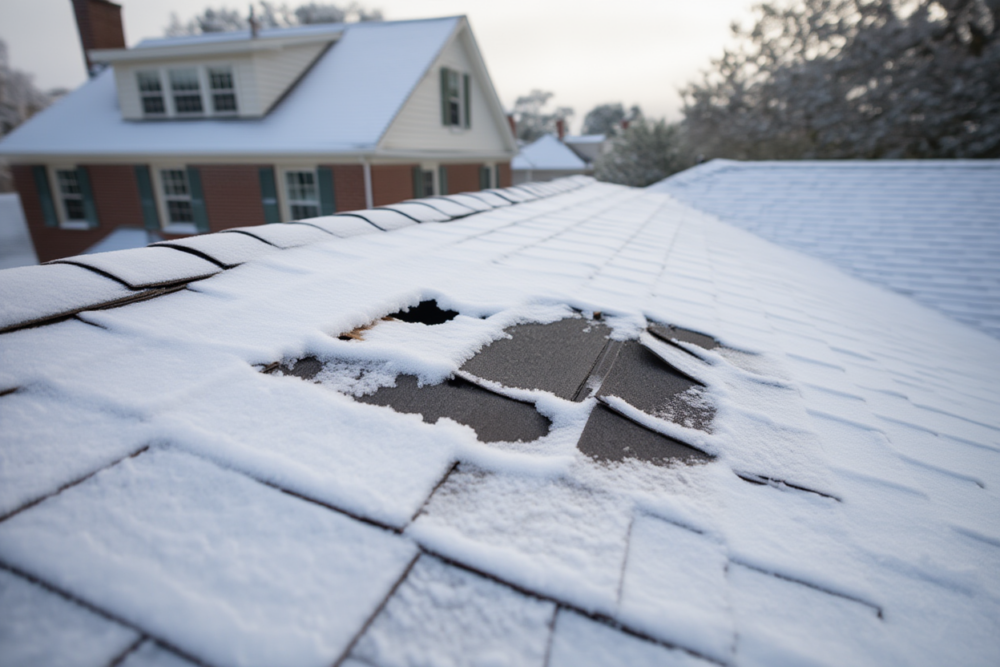
Roof work can be divided into two categories: repairs and replacements. Roof repairs involve work done to fix minor, localized damage, such as missing shingles or leaks, whereas roof replacements address widespread damage. You’ll have to determine if you need one or the other because one is totally okay to do in winter but the other is a complicated topic.
Repairs are doable in winter. It doesn’t matter what roofing system your house has, this type of roofing work can generally be done during the cold season. However, for roof replacements, contractors will need to know what kind of roof you have and go from there.
Challenges to Winter Roof Repairs
When it comes to repairing roofs in winter, there are several risks that roofing contractors have to keep in mind and prepare for.
Excess Snow
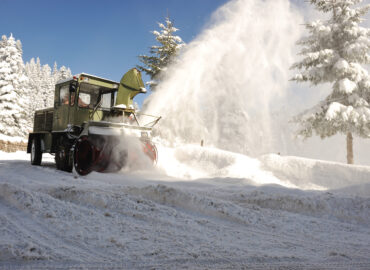
Snowfall in the U.S. is highly dependent on where you are in the country. In general, there is more snow in mountainous areas and the western United States. If your area receives a significant amount of snow in winter, the white powder can add considerable weight on your roof deck, contribute to the formation of ice dams, and lead to damage to your gutters and roof.
Freezing Temperatures
In addition to snow, winter temperatures can affect roof repair jobs nationwide. Many roofing products require the sun’s heat or a warmer temperature to work properly. For instance, most roofers don’t recommend doing any repair work when the thermostat hits 40°F (4.44°C) and below to avoid dealing with two major problems: shingle brittleness and ineffective sealant activation.
Shingle Brittleness
Most roof shingles are made of asphalt, a petroleum-based product, which means it is flexible in the heat. However, in the cold temperature of winter, it loses this flexibility and becomes brittle, which can cause it to crack. A cracked shingle can lead to leaks.
Ineffective Sealant Activation
Standard shingles come with an adhesive strip that needs the sun or warm temperatures to activate. Once activated, the sealing strip bonds the shingles.
In winter, this seal will not be able to activate properly. This can leave the shingles vulnerable to high winds and water infiltration. To prevent this, roofing contractors typically use hand sealing under each tab to ensure proper bonding.
Safety & Efficiency
Working on a roof in winter comes with inherent safety risks for workers. In other words, roof repairs during wintertime is considered high-risk or downright dangerous.
Aside from the chilly temperature, roofers might encounter snow, ice, or frost on the roof. Ladders and rungs that have been glazed over with ice become slippery. The roof might have a snow load, and adding the weight of a roofing crew and equipment on top of that load can be a recipe for structural collapse.
Or, if a roof with a skylight is covered with snow, it becomes hazardous for workers. As these roof features are not designed to hold a person’s weight, a roofer who happens to step on it might fall through.
That is why, as a precaution, professional roofers will wear weather-appropriate clothing, non-slip footwear, and fall protection gear.
In addition, the cold conditions also affect workers’ performance, especially their coordination, precision, and agility. The cold weather can make them sluggish and they work slower. But, it’s not just the roofers. Equipment used for the job will also be affected by the cold.
Furthermore, workers also have to work shorter hours during winter because the season has significantly limited daylight compared with the rest of the year.
High Winds
If your area is prone to high winds, it can leave its mark on your roof. Powerful winds can bring debris which can hit the shingles or roof deck and cause damage. Strong gusts can even strip the shingles off of your roof.
Benefits of Repairing Your Roof in Winter
While there are many difficulties waiting for you when you do a roof repair in winter, it does come with some worthwhile benefits.
First of all, demands for roof repairs are lowest in winter. This means, you can have a more flexible pick when it comes to scheduling the work. However, bear in mind that unexpected snowstorms or other cold weather-related events may delay the repair and limited daylight hours mean working hours are cut short.
Another advantage of doing your roof repairs in winter is the potential savings cost. Because demand is so low at this time, roofers are much more lenient with price and you have a good chance to get a great deal compared with summer when prices are at its peak.
Should You Have Your Roof Repaired in Winter?
While repairing your roof in winter presents challenges, it is a perfectly viable option, especially if you’re dealing with active leaks or water damage, severe damage, and for preventative maintenance. Just ensure that you hire a professional roofer who understands how cold affects materials, adhesives, equipment, and safety.
If handled correctly by experienced professional roofers who use the right materials and methods, your winter roof repair can be just as durable as one done in summer or any other season.