
If you live in Dallas, Texas, you probably don’t lose sleep over the threat of a major wildfire. That’s completely understandable. When the news talks about massive infernos, they usually show towering pine forests in California or the rugged mountains of the West.
Your concern, more likely, is flash flooding or tornado season, given the city’s location in Tornado Alley. However, the unsettling truth is that Dallas is prone to wildfires, and that risk is far greater than the “relatively low to moderate risk” labels might suggest.
How Prone is Dallas to Wildfires?
The Federal Emergency Management Agency (FEMA) gives the city of Dallas a relatively low risk index rating for wildfires. This is often interpreted to mean that, compared to true fire hot spots, the frequency of massive and catastrophic fires is statistically lower in Dallas. However, a closer look at the data and the reality of life in the country’s ninth most populated city paints a far more alarming picture. The facts clearly show that low numbers can still mean total devastation for residents.
This isn’t just speculation. The true danger is measurable, and the facts are clear:
Social Vulnerability. Despite the seemingly low fire risk, Dallas has a very high social vulnerability to wildfires, according to FEMA. This means residents are less equipped to prepare for, respond to, and recover from a disaster that could result in death, injury, and loss of livelihood.
Expected Annual Loss. The city faces an expected annual loss value of $617,079 due to wildfire, with most of this financial burden falling under building value loss, based on data from FEMA.
Property Risk. According to First Street, a staggering 66,597, or 21%, of all properties in Dallas have some risk of being affected by wildfire over the next 30 years. This puts Dallas squarely at a moderate risk for wildfires across its residential, infrastructure, commercial, and social sectors.
What do these statistics actually mean? They mean that while a neighborhood might not experience wildfire every year, the risk is real, the financial stakes are high, and the sheer number of people in the path of a fire is vast. This risk may be “low to moderate” in percentage, but if your home is included in the 21%, the risk is 100%.
Dallas Has Burned Before
The city’s wildfire risk is not just a scary statistic, as wildfires have actually occurred before. History offers a stark reminder that this threat is not just theoretical. Wildfires have played out in devastating events across Dallas.
The Balch Spring Fire (2022)
The Balch Springs Fire in July 2022 is the most immediate and terrifying example of the current risk of wildfires in Dallas. It started with something simple:
“The fire started from someone brush hogging [mowing an area of tall grass or brush] in the field behind the homes,” Balch Springs Fire Marshal Sean Davis told CNN. “He hit some debris in the field that caused a spark. The spark set the cut grass on fire.”
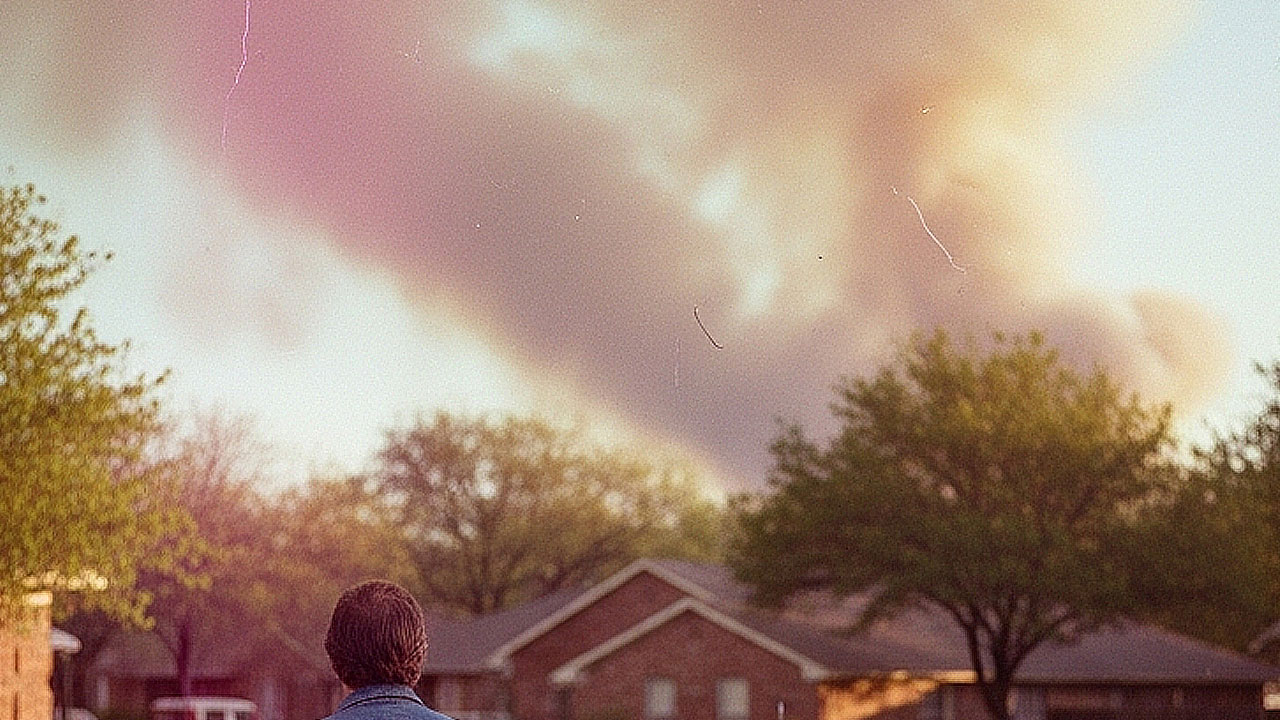
Because of the severe drought and winds, that small spark instantly became a fast-moving grass fire that jumped right into a suburban neighborhood. The grass fire damaged 26 homes, and at least six fire departments helped extinguish the flames. While thankfully no one was hurt, nine of the 26 homes were a total loss.
The Southern Dallas Fire (2023)
On July 30, 2023, more than 100 fire personnel battled a large grass fire reported shortly before 5:15 p.m. Emergency crews were notified of the blaze near Botham Jean Boulevard and the South Central Expressway service road. Dallas Fire-Rescue (DFR) found numerous spot fires at the location, which is near where railroad tracks cross the Trinity River. No injuries were reported, but the blaze shut down all train activity in the area and led to significant street closures and detours. Due to the fire’s heat, the Trinity River Bridge also required inspection and repairs.
These two incidents prove the risk of wildfires in Dallas is real. One fire showed rapid destruction of homes, while the other caused massive infrastructure disruption. The threat of a simple spark quickly turning into a crisis is not a distant concern; it is a clear and present danger in Dallas. The combination of dense urban areas, highly flammable dry grass, and strong Texas winds creates a highly volatile environment.
Why Dallas Is a Tinderbox
Dallas’s wildfire problem is a result of three critical factors: the fuel, the climate, and the wind and topography.
The Fuel: Grasslands and the Wildland Urban Interface (WUI)
Unlike slow-burning timber fires, dry grass and light brush become flammable very quickly. Once ignited, these fires move fast. They are driven by wind and can jump over roads and fields. They are known for their ability to quickly burn homes and infrastructure, which makes containment efforts difficult.
The expanding threat of wildfires is also a result of the ever-changing land use and population. The Wildland Urban Interface (WUI) is an area where people and their homes meet or mix with wildland vegetation. In Texas, more than 14,500 communities are at risk of wildfire.
As Dallas and the surrounding Dallas-Fort Worth metroplex boom, suburbs are continually expanding into these fire-prone grasslands. This means thousands of new homes are being built directly into the fuel source. These homes become the target, and the surrounding dry vegetation acts as a giant fuse leading right to the front door.
The Climate: Drought and Extreme Heat
With its humid subtropical climate with hot summers, Dallas is known for its extreme heat, and this is a major factor in wildfire risk. The summers bring long periods of intense heat and low rainfall. The hot season typically lasts over three months, from early June to mid-September. During this time, the average daily high temperature is consistently above 88°F. The hottest month, August, typically sees highs of 95°F.
These extreme weather conditions lead directly to severe drought, which kills and dries out the massive amount of grass and brush found around the city. This turns the environment into a vast supply of tinder. When the air is hot and dry, any small spark can start a massive fire that spreads quickly.
The Wind and Topography: The Rapid Spread Factor
The geographic landscape of Dallas is generally flat and open. This flat topography provides few natural barriers to stop a fire once it begins. More importantly, it allows strong wind patterns common in North Texas to sweep across the land easily. The wind acts like a powerful bellows on any flame. It dramatically increases the speed and intensity of the fire and puts city infrastructures at risk.
Dallas’s Wildfire Risk Is Real and Urgent
The evidence is clear: Wildfire risk in Dallas is a growing threat. This danger is driven by three forces: highly flammable grass fuel and urban expansion, an increasingly intense climate, and powerful wind patterns. History proves that a single spark can instantly become a major crisis. The resulting blaze can destroy homes and cripple essential city infrastructure.
While Dallas’ wildfire risk is classified as “low to moderate risk,” it is important to capture the massive devastation a single fire can cause. Recognizing the volatility of this environment is the first critical step. Instead of waiting for the next disaster, residents must take immediate steps to protect their property.
Simple actions, like creating defensible space around homes by clearing dry vegetation and maintaining property boundaries, can make a huge impact. Every resident plays a crucial role in reducing fire risk. Taking personal responsibility is a way to safeguard homes and prevent the next wildfire from damaging property and the greater Dallas area.